
Immersive Design 2026 is becoming an important direction in modern design because it focuses on creating experiences that make people feel more connected to a space, product, brand, or digital environment. Instead of only looking attractive, immersive design uses visuals, sound, movement, interaction, technology, and sensory details to create a deeper experience.
In 2026, designers are exploring immersive experiences across websites, retail stores, exhibitions, entertainment, architecture, fashion, gaming, and brand experiences. Technologies such as augmented reality, virtual reality, spatial computing, projection, interactive screens, and responsive environments are helping designers create experiences that feel more active and personal.
Table of Contents
- What Is Immersive Design 2026?
- 7 Powerful Benefits of Immersive Design 2026
- 5 Hidden Risks of Immersive Design 2026
- Immersive Design 2026 Comparison Table
- Immersive Design 2026 Development Trend
- Future of Immersive Design 2026
- FAQs
- Conclusion
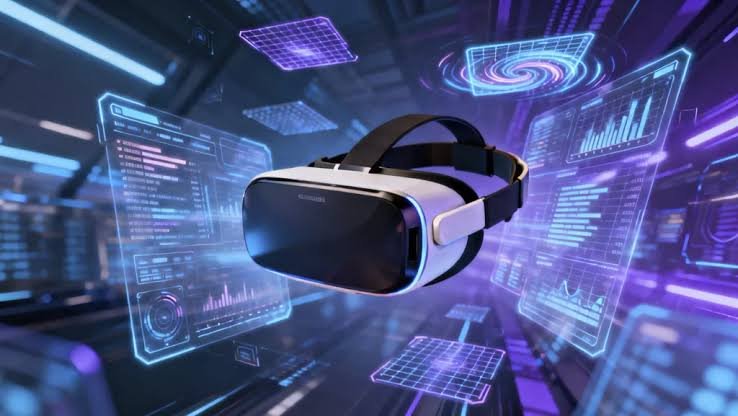
What Is Immersive Design 2026?
Immersive Design 2026 is a design approach that surrounds users with interactive and sensory elements. The goal is to make people feel that they are participating in an experience rather than simply observing it.
Traditional design often focuses on appearance, usability, and function. Immersive design goes further by considering how a person moves, reacts, listens, interacts, and feels within an environment.
For example, a retail store can use projection, lighting, interactive displays, and sound to create a stronger shopping experience. Similarly, a website can use animation, 3D elements, spatial interfaces, and interactive storytelling to make visitors more engaged.
This approach does not always require expensive technology. Even lighting, material, color, sound, movement, and spatial arrangement can make a design more immersive.
7 Powerful Benefits of Immersive Design 2026
1. Immersive Design 2026 Creates Stronger User Engagement
One of the biggest advantages of Immersive Design 2026 is stronger engagement. When people can interact with a design, they may spend more time exploring it.
Interactive elements can turn a passive experience into an active one. Instead of simply reading information or looking at an image, users can explore different parts of the experience.
This is particularly useful for websites, museums, exhibitions, retail environments, games, and educational experiences.
2. Immersive Design 2026 Makes Experiences More Memorable
A good immersive experience can be easier to remember than a simple visual presentation.
When several sensory or interactive elements work together, users may create stronger associations with the experience. A brand, product, or location can therefore become more memorable.
For designers, this creates an opportunity to build experiences that people remember after they leave the website, store, event, or exhibition.
3. Immersive Design 2026 Supports Better Storytelling
Storytelling becomes more powerful when users can experience different parts of a story.
Instead of presenting information in a fixed sequence, immersive environments can allow users to explore information at their own pace.
A fashion brand, for example, could create a digital environment where visitors explore a collection through interactive rooms. A museum could use immersive technology to let visitors experience historical environments.
This makes storytelling more active and can help complex information feel easier to understand.
4. Immersive Design 2026 Improves Brand Experiences
Brands are increasingly competing for attention. A basic advertisement may be quickly ignored, while an interactive experience can encourage people to participate.
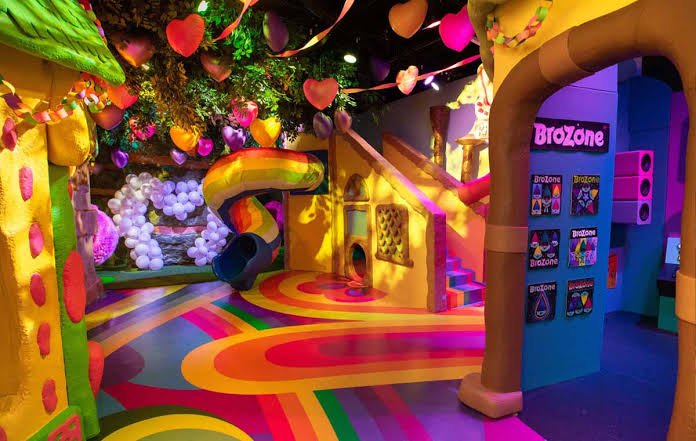
Immersive Design 2026 can help brands create distinctive environments around their products and services.
Retail stores, product launches, events, and digital campaigns can all use immersive techniques. When the experience matches the brand identity, it can create a stronger connection between the audience and the brand.
5. Immersive Design 2026 Encourages Personalization
Modern immersive experiences can respond to user actions and preferences.
A digital environment can change based on what a visitor selects. Interactive installations can respond to movement. Virtual environments can provide different experiences depending on the user’s choices.
This creates a more personalized journey.
However, personalization should remain simple and useful. Too many interactive choices can make an experience confusing rather than enjoyable.
6. Immersive Design 2026 Connects Physical and Digital Spaces
One interesting development is the combination of physical and digital environments.
Augmented reality can add digital information to physical surroundings. Spatial computing can make digital objects feel connected to real-world spaces. Interactive displays can connect physical products with digital content.
This creates new possibilities for retail, architecture, exhibitions, education, entertainment, and events.
The result is a design environment where the boundary between physical and digital experiences becomes less obvious.
7. Immersive Design 2026 Opens New Creative Possibilities
Immersive design gives designers more freedom to experiment with movement, sound, light, 3D elements, interaction, and space.
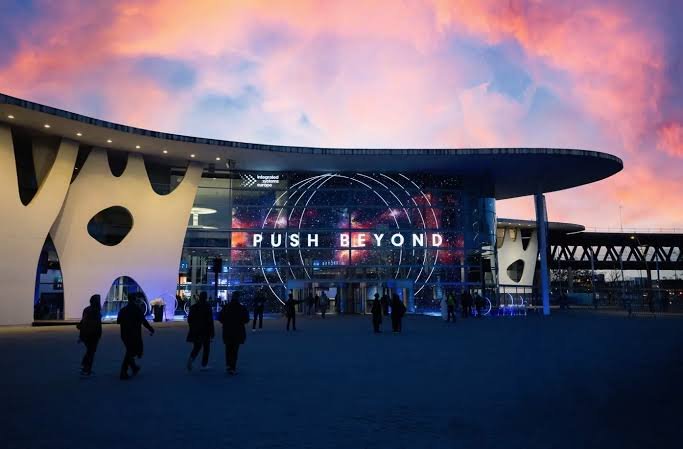
Instead of designing only a flat screen or static object, designers can think about complete experiences.
This can lead to new approaches in interior design, digital design, fashion, entertainment, architecture, and branding.
For designers looking for a low-competition design niche, immersive experiences can also provide interesting opportunities because the field combines traditional design skills with emerging technologies.
5 Hidden Risks of Immersive Design 2026
1. Immersive Design 2026 Can Become Too Complicated
More technology does not automatically mean better design.
If an experience contains too many animations, sounds, effects, menus, or interactive elements, users may become confused.
Good immersive design should have a clear purpose. Every major element should support the experience instead of being added simply because the technology is available.
2. Immersive Design 2026 Can Increase Costs
Advanced immersive projects may require specialized hardware, software, developers, designers, 3D artists, and technical teams.
This can increase project costs compared with conventional design.
Smaller businesses may therefore need to start with simple immersive elements instead of attempting a large technology-heavy installation.
3. Immersive Design 2026 May Create Accessibility Problems
Not every user experiences technology in the same way.
Some people may have difficulty with intense animation, flashing elements, complex navigation, loud audio, motion-heavy environments, or certain immersive devices.
Designers should therefore consider accessibility from the beginning.
Providing alternative navigation, captions, readable text, adjustable sound, and reduced-motion options can make immersive experiences more inclusive.
4. Immersive Design 2026 Can Raise Privacy Concerns
Some interactive environments may collect information about user behavior, movement, preferences, or interactions.
This creates privacy considerations.
Designers and businesses should clearly explain what information is collected and why it is needed. Data collection should not become more intrusive simply to make an experience feel personalized.
5. Immersive Design 2026 Requires Careful Performance Planning
Large animations, 3D models, video backgrounds, and interactive technologies can require significant computing resources.
On websites, this may increase loading time. In physical environments, technical failures can interrupt the experience.
Therefore, designers need to balance visual quality with performance and reliability.
Immersive Design 2026 Comparison Table
| Design Element | Main Benefit | Possible Challenge |
|---|---|---|
| 3D Environments | More depth and interaction | Higher production effort |
| AR Experiences | Connects digital and physical spaces | Device limitations |
| Interactive Screens | Encourages participation | Maintenance requirements |
| Spatial Audio | Creates stronger atmosphere | Accessibility concerns |
| Projection Design | Transforms physical spaces | Equipment costs |
| Motion Design | Adds energy and feedback | Can become distracting |
| VR Experiences | Highly immersive environments | Hardware requirements |
Immersive Design 2026 Development Trend
Immersive design is developing from simple interactive experiences toward environments that respond more naturally to users.
A useful way to understand this development is:
Static Design → Interactive Design → Multi-Sensory Design → Spatial Design → Adaptive Experiences
The following chart is an illustrative maturity model, not measured market data:
Immersive design maturity model
Illustrative progression showing increasing levels of interaction and sensory involvement; values are not market statistics.0246StaticInteractiveMulti-SensorySpatialAdaptive
The important change is that designers are moving beyond simply adding digital effects. The focus is increasingly on creating meaningful interactions between people, spaces, products, and digital systems.
How Designers Can Use Immersive Design 2026
Immersive Design 2026 does not mean every project needs VR headsets or expensive installations.
A small website can use interactive storytelling. A fashion showroom can use smart mirrors or augmented-reality experiences. An interior can use lighting and sound to change the atmosphere. A product page can use 3D visualization to help customers understand a product.
The best approach is to start with the user experience and then select the technology that actually improves it.
This prevents technology from becoming the main attraction while the original design purpose gets lost.
Future of Immersive Design 2026
The future of Immersive Design 2026 is likely to focus more on responsive, personalized, and spatial experiences.
As digital tools become more accessible, immersive techniques may move beyond entertainment and luxury projects. More websites, retail spaces, exhibitions, educational environments, and workplaces could adopt smaller immersive elements.
Artificial intelligence may also influence this area by helping systems respond to users in real time. Instead of every visitor receiving exactly the same experience, future environments could adapt their content, layout, lighting, or information according to user behavior.
However, successful immersive design will not depend only on technology. Human-centered thinking will remain important.
The strongest experiences will likely be those where technology feels natural instead of distracting.
FAQs About Immersive Design 2026
What is Immersive Design 2026?
Immersive Design 2026 is a design approach that uses interaction, sensory elements, spatial experiences, and digital technologies to make people feel more involved in an environment or experience.
Is immersive design only for VR?
No. Immersive design can include VR, AR, interactive screens, projection, lighting, sound, animation, 3D environments, and even traditional physical design elements.
Why is immersive design becoming popular?
It can create stronger engagement, memorable experiences, interactive storytelling, and new ways for brands and designers to connect with audiences.
Is immersive design expensive?
It can be expensive when advanced hardware and custom technology are involved. However, simple immersive experiences can be created using existing web, lighting, animation, sound, and interaction techniques.
What is the biggest challenge of immersive design?
One major challenge is maintaining a balance between technology and usability. An experience can become confusing or distracting if too many effects are used without a clear purpose.
Conclusion
Immersive Design 2026 is changing the way designers think about experiences. Instead of focusing only on how something looks, immersive design considers how people interact with, move through, and emotionally respond to an environment.
Its major benefits include stronger engagement, memorable experiences, better storytelling, improved brand connections, personalization, physical-digital integration, and greater creative freedom.
At the same time, designers need to manage complexity, cost, accessibility, privacy, and performance.
The future of immersive design will not simply be about adding more technology. It will be about using the right technology in the right way to create experiences that feel useful, natural, and meaningful.
Pingback: 7 Powerful AI + Human Creativity Benefits & Challenges