
This new AI graphic design workflow combines the speed of artificial intelligence with the imagination and experience of a human designer. AI + Human Creativity can make the process faster, more flexible, and more creative.
Table of Contents
- What Is AI + Human Creativity?
- Why AI Graphic Design Workflows Are Growing
- How AI + Human Creativity Changes the Design Process
- Benefits of Combining AI With Human Creativity
- Problems With an AI-Only Design Process
- A Simple AI Graphic Design Workflow
- How Designers Can Keep Their Work Original
- The Future of AI + Human Creativity
- Final Thoughts
What Is AI + Human Creativity?
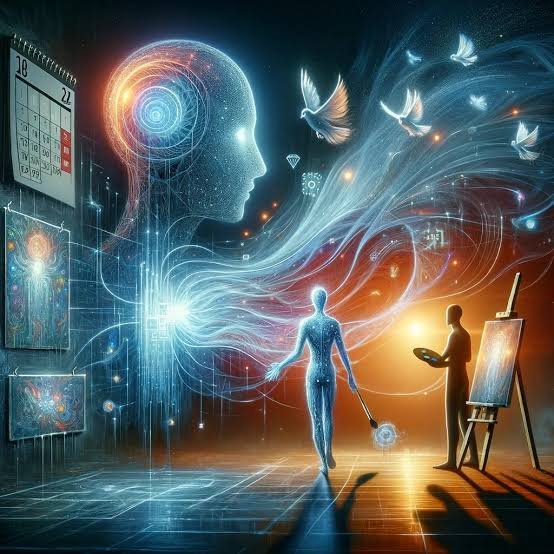
AI + Human Creativity means using artificial intelligence tools together with human creative thinking. AI can handle repetitive tasks, generate multiple concepts, and help with brainstorming. The designer then evaluates those ideas, improves them, and gives them a unique visual direction.
Think of AI as a creative assistant rather than the creative director AI graphic design workflow.
For example, a designer working on a coffee brand may use AI to generate different moodboard ideas, color combinations, typography suggestions, or visual concepts. However, the human designer decides which direction actually matches the brand and its audience.
This makes the process more efficient without removing the human element AI + Human Creativity.
Human Creativity Still Matters
AI + Human Creativity brings together technology and human imagination to create more meaningful design results.
AI can generate thousands of visual possibilities, but it does not automatically understand a brand’s complete personality, cultural context, emotional message, or business goals AI graphic design workflow.
Human designers bring:
- Original ideas
- Emotional understanding
- Visual judgment
- Brand awareness
- Cultural context
- Storytelling
- Strategic thinking
That combination makes human creativity in graphic design especially valuable in an AI-driven industry.
Why AI Graphic Design Workflows Are Growing
One of the biggest advantages of AI is speed AI + Human Creativity.
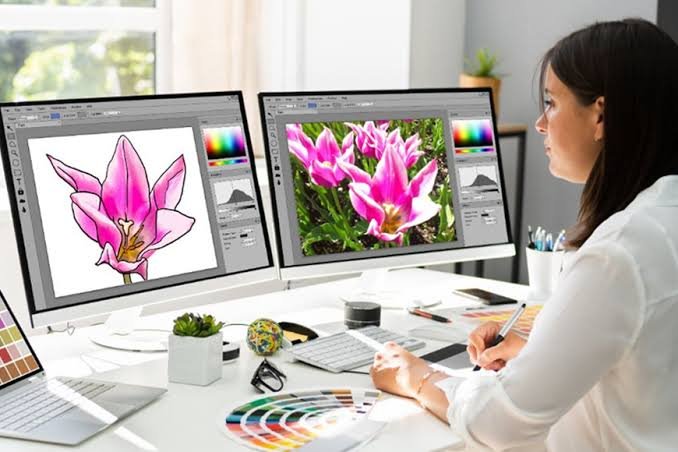
Traditional design can require extensive research, brainstorming, sketching, revisions, and experimentation. AI can help shorten some of these stages by quickly producing starting points.
A designer can explore several creative directions before choosing one to develop further.
AI + Human Creativity Saves Time
Imagine that a designer needs ten different concepts for a social media campaign.
Instead of manually developing every idea from the beginning, the designer can use AI to explore initial concepts. The strongest ideas can then be selected and redesigned manually.
The workflow becomes:
Idea → AI Exploration → Human Selection → Human Design → Refinement → Final Design
This does not eliminate creative work. Instead, it moves the designer’s attention toward higher-value creative decisions.
How AI + Human Creativity Changes the Design Process
The modern AI and human design process can be divided into several simple stages.
1. Research and Creative Direction
The designer first understands the project.
Questions may include:
- Who is the target audience?
- What is the brand personality?
- What problem does the design solve?
- What emotion should the design create?
- Where will the design be published?
This stage should remain strongly human because strategy affects every later design decision.
2. AI-Powered Brainstorming
After understanding the project, AI can help generate creative possibilities.

Designers can explore:
- Visual styles
- Color directions
- Layout concepts
- Image ideas
- Typography combinations
- Campaign themes
The purpose is not to accept the first AI output. The purpose is to expand the creative starting point.
3. Human Selection
This is where human judgment becomes essential.
A designer reviews the generated concepts and asks:
Does this idea actually communicate the message?
Some AI-generated ideas may look attractive but fail to solve the communication problem. Others may be technically interesting but unsuitable for the target audience.
The designer chooses what is useful and rejects what is not.
4. Human Design and Refinement
The selected concept then becomes a real design.
The designer can adjust:
- Typography
- Spacing
- Composition
- Color
- Visual hierarchy
- Images
- Branding
- Accessibility
- Overall balance
This stage transforms an AI-assisted idea into a purposeful design.
5. Testing and Final Improvements
The final design should be tested in its real environment.

For example, a social media graphic should be checked on different screen sizes. A logo should work in different sizes. A website design should remain readable and accessible.
AI can assist with some tasks, but human review remains important.
Benefits of Combining AI With Human Creativity
The biggest strength of AI + Human Creativity is the combination of speed and judgment.
| Design Task | AI Strength | Human Strength |
|---|---|---|
| Brainstorming | Fast idea generation | Creative direction |
| Visual concepts | Multiple variations | Brand suitability |
| Repetitive tasks | Automation | Quality control |
| Image exploration | Fast experimentation | Artistic judgment |
| Copy ideas | Quick suggestions | Tone and context |
| Final design | Assistance | Decision-making |
Faster Creative Exploration
AI tools for graphic designers can make experimentation much faster. A designer can explore several possibilities without spending hours creating every concept manually.
More Design Variations
AI can help designers move beyond their first idea. Seeing different approaches may inspire a completely new direction.
Less Repetitive Work
Some repetitive tasks can be accelerated through automation. This gives designers more time for strategy, concept development, and refinement.
Better Creative Productivity
The goal is not simply to produce more designs. The goal is to spend more time on meaningful creative decisions.
Problems With an AI-Only Design Process
AI offers impressive capabilities, but using it without human oversight can create problems.
Generic-Looking Designs
One common problem is visual sameness. If many designers rely on similar prompts and tools, their results may begin to look alike.
A design can be technically impressive while still feeling forgettable.
Lack of Brand Personality
A brand needs a recognizable identity. An AI-generated visual may not fully understand why one color, shape, typeface, or composition fits a specific brand.
Human designers connect individual design decisions with the larger brand story.
Too Much Dependence on AI
Another danger is becoming dependent on generated ideas.
If designers stop practicing fundamental skills such as typography, composition, color theory, and visual storytelling, their creative judgment may become weaker over time.
The solution is not to reject AI. The better approach is to use AI while continuing to develop strong design fundamentals.
A Simple AI Graphic Design Workflow
A practical workflow can be surprisingly simple.
Step 1: Start With a Human Idea
Before opening an AI tool, define the purpose of the project.
Write down the message, audience, emotion, and desired result.
Step 2: Use AI for Exploration
Use AI to generate alternative directions rather than one final answer.
For example, ask for different visual approaches to the same design problem.
Step 3: Select the Strongest Direction
Review the results critically. Choose the concept that best supports the communication goal.
Step 4: Add Human Creativity
Now make the concept your own.
Change the composition, typography, colors, imagery, details, and visual storytelling.
Step 5: Check the Final Design
Look for consistency, readability, originality, accessibility, and brand alignment.
A useful rule is:
AI can generate possibilities. Humans create purpose.
How Designers Can Keep Their Work Original
AI + Human Creativity can help designers use AI as a starting point while keeping their own creative identity at the center.
Originality becomes even more important as AI-generated content becomes common.
Designers can protect their creative identity by developing a recognizable visual style.
Try combining:
- Personal sketches
- Custom typography
- Original photography
- Handmade textures
- Unique color systems
- Experimental layouts
- Cultural references
- Brand-specific visual elements
Instead of accepting an AI result exactly as generated, use it as raw material.
This approach can create designs that feel more personal and less generic.
The Future of AI + Human Creativity
The future of graphic design is unlikely to be simply “AI versus designers.” A more useful way to understand it is AI working with designers.
AI will continue to become better at generating and modifying visual content. Designers will still need to understand people, brands, communication, culture, and creative strategy.
This means future designers may need two types of skills.
Technical skills:
- AI tools
- Design software
- Prompting
- Image generation
- Automation
- Digital production
Human skills:
- Creativity
- Storytelling
- Critical thinking
- Art direction
- Communication
- Brand strategy
The exact balance will vary by project. A branding project may require more human direction, while repetitive production tasks may benefit from greater automation.
Final Thoughts
AI + Human Creativity is creating a new chapter for graphic design.
AI can make the design workflow faster by helping with brainstorming, exploration, repetitive work, and creative experimentation. But speed alone does not create meaningful design.
Human designers bring purpose, emotion, strategy, judgment, and originality.
The strongest approach is therefore not to choose between AI and human creativity. It is to combine them intelligently.
Use AI to explore more.
Use human creativity to decide what matters.
Use design skills to turn those ideas into something memorable.
As AI graphic design tools continue to evolve, designers who learn how to balance technology with human creative thinking can build workflows that are both efficient and distinctive.
The future of graphic design is not simply about creating faster. It is about creating smarter while keeping the human idea at the center.
Pingback: 10 Modern TV Wall Design Ideas for a Stylish Living Room - DESING