
Fashion is becoming more comfortable, flexible, and user-focused. Adaptive Fashion Design 2026 is creating clothing that can better match different body needs, movement patterns, comfort preferences, and everyday situations. Instead of focusing only on appearance, this approach combines style with function. It can make dressing easier while also giving people more freedom to choose modern clothing that fits their needs Adaptive Fashion Design 2026.
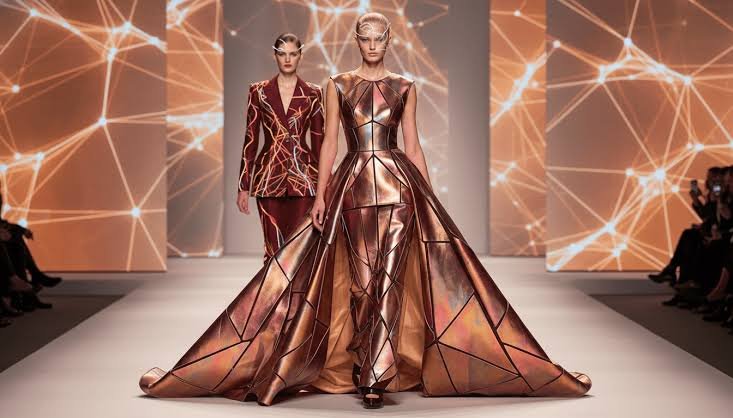
Table of Contents
- What Is Adaptive Fashion Design 2026?
- 7 Amazing Benefits of Adaptive Fashion Design 2026
- 5 Hidden Risks to Consider
- Adaptive Fashion Design 2026 and Future Trends
- Frequently Asked Questions
- Conclusion
What Is Adaptive Fashion Design 2026?
Adaptive Fashion Design 2026 focuses on clothing that is easier to wear, adjust, remove, and use in different situations. Designers may use features such as magnetic closures, adjustable openings, flexible materials, side zippers, wider openings, and modified seams Adaptive Fashion Design 2026.
Traditional fashion often gives more attention to appearance than usability. Adaptive clothing tries to balance both. A garment can still look stylish while providing extra comfort and practical features.
This design approach can be useful for people with different mobility levels, changing body needs, injuries, or specific comfort preferences. It can also inspire designers to create clothing that works for a wider range of users.
7 Amazing Benefits of Adaptive Fashion Design 2026
1. Easier Dressing
One of the biggest benefits is easier dressing. Traditional buttons, tight openings, and difficult fasteners can make some clothes harder to use.
Adaptive garments can use simpler closures and flexible openings. This can make daily dressing less complicated.
2. Better Comfort
Comfort has become an important part of modern fashion. Soft fabrics, flexible cuts, adjustable areas, and reduced pressure points can make clothing more comfortable.

Designers can also consider how clothing feels during sitting, standing, walking, or other daily activities.
3. More Personal Choice
Fashion is also about personal identity. People do not want functional clothing to look completely different from mainstream fashion.
Modern adaptive designs can include fashionable colors, attractive shapes, modern patterns, and stylish details. This gives users more choice instead of forcing them to choose between comfort and appearance.
4. Flexible Clothing Designs
Adjustability can make one garment useful in different situations. Adjustable waist areas, removable sections, expandable openings, and flexible fabrics can give clothing more versatility.
This can also help designers think beyond fixed sizes and traditional clothing structures.
5. Greater Fashion Inclusion
Inclusive fashion aims to consider people who may be ignored by traditional clothing design. Adaptive clothing can support this idea by considering different physical needs during the design process.
The result can be a fashion industry that thinks more carefully about accessibility, comfort, and usability.
6. Better Everyday Function
Clothing is used throughout the day, so small design changes can make a meaningful difference. Easy closures and practical construction can make garments more suitable for everyday activities.
This functional approach can also influence mainstream fashion. Features originally designed for specific needs may eventually become popular with a wider audience.
7. New Opportunities for Designers
Adaptive clothing gives designers new creative challenges. They need to think about construction, materials, comfort, appearance, and usability at the same time.
This creates opportunities for fashion students, independent designers, clothing brands, and textile innovators to develop new products and ideas.
5 Hidden Risks of Adaptive Fashion Design 2026
1. Higher Production Costs
Special closures, customized construction, and advanced materials can increase manufacturing costs. If production becomes expensive, some adaptive products may become less affordable.
Designers therefore need to balance functionality with realistic production costs.
2. Limited Availability
Not every fashion brand offers adaptive options. Users may still find fewer choices compared with traditional clothing.
This can be a problem when someone wants a specific style, color, size, or fabric but cannot find a suitable adaptive version.
3. Poor Design Can Reduce Comfort
Adding adaptive features does not automatically make clothing better. If zippers, seams, closures, or materials are placed incorrectly, they can create discomfort.
Good design requires testing with real users instead of depending only on assumptions.
4. Fashion vs. Function
Designers sometimes have to choose between adding a useful feature and maintaining a particular visual style.
If a garment looks too medical or overly technical, some users may not feel comfortable wearing it. Modern adaptive fashion therefore needs to make functionality feel natural.
5. Limited Standardization
Different people can have very different clothing needs. One design may work well for one person but not for another.
Because of this, designers need flexible solutions rather than assuming that one adaptive design will work for everyone.
Adaptive Fashion Design 2026 and Future Trends
The future of adaptive fashion is likely to focus on personalization and flexibility. Designers are exploring clothing that can respond better to different users instead of following one fixed approach.
Technology may also become more important. Digital design tools can help designers test clothing structures before production. Smart textiles, adjustable materials, and personalized sizing could create more possibilities.
Another important direction is mainstream fashion. Instead of separating adaptive clothing from regular fashion, brands can create products that are useful for many different people.
This approach can make adaptive features feel normal rather than specialized. A magnetic closure, stretch panel, or adjustable section can be useful to many consumers, not only people with specific needs.
How Designers Can Create Better Adaptive Clothing
Successful adaptive clothing starts with understanding the user. Designers should consider how people actually move, sit, dress, and use clothing throughout the day.
Testing is also important. A design may look excellent on a sketch but behave differently when worn. User feedback can reveal problems with comfort, movement, closures, sizing, or fabric.
Materials should also be selected carefully. Softness, flexibility, durability, breathability, and maintenance can all affect the final experience.
Most importantly, designers should avoid treating adaptive fashion as only a functional category. People still want clothing that reflects their personality and style.
Internal link suggestion: Add a link here to your related article about AI Fashion Design, Sustainable Fashion Design, or another relevant fashion-design article already published on your website.
Why Adaptive Fashion Design 2026 Matters for Modern Fashion
Fashion is becoming more focused on individual needs. Consumers increasingly expect clothing to provide more than an attractive appearance.
Adaptive fashion responds to this change by combining design with usability. It encourages designers to ask a simple question: Can this garment work better for the person wearing it?
That question can lead to better clothing construction, more thoughtful materials, and more inclusive fashion experiences.
At the same time, designers need to avoid making unrealistic promises. Every adaptive feature should have a clear purpose and should be tested properly before being presented as a solution.
Frequently Asked Questions
What is Adaptive Fashion Design 2026?
It is a modern approach to clothing design that focuses on comfort, accessibility, flexibility, and easier use while still maintaining a fashionable appearance.
Who can benefit from adaptive clothing?
Adaptive clothing can be useful for people with different mobility levels, changing body needs, injuries, or specific comfort requirements. Some features can also benefit people who simply prefer easier and more comfortable clothing.
Is adaptive fashion only about comfort?
No. It can combine comfort with style, accessibility, flexibility, usability, and personal expression.
Can adaptive clothing look fashionable?
Yes. Modern designers can use attractive colors, patterns, shapes, and materials while also including practical features.
What are the main challenges of adaptive fashion?
Cost, availability, comfort, sizing, user differences, and balancing function with visual appeal are some of the major challenges.
Conclusion
Adaptive Fashion Design 2026 is changing the way designers think about clothing. Instead of focusing only on appearance, it considers comfort, usability, flexibility, and different user needs. Its benefits include easier dressing, better comfort, greater choice, and new opportunities for fashion designers.
However, the approach also has challenges. Higher costs, limited availability, poor construction, and differences between users can affect its success.
The strongest future designs will likely be those that combine function, comfort, inclusion, and modern style without making the clothing look or feel overly specialized.
Pingback: Neuroaesthetic Design 2026: 7 Powerful Benefits5 HiddenRisks